Нет данных для отображения
Больше
Answer: This is one of the deepest questions. The Bible suggests that suffering entered the world through the "Fall" (Adam and Eve's disobedience, Genesis 3), introducing sin and corruption into God's perfect creation. God allows humans to have genuine free will, which means they can choose good or evil, and their choices have real, painful consequences. Explanation: While God did not...

The Bible affirms God's existence and describes Him as creator, all-powerful (omnipotent), all-knowing (omniscient), all-present (omnipresent), and perfectly loving and just.
Many people know Jesus taught, but what was the main theme? Answer: The central message of Jesus was the Kingdom of God (or Kingdom of Heaven), announcing its arrival and explaining how to live as its citizens. Biblical Explanation: The Main Proclamation: Mark begins Jesus' ministry by saying, "The time has come... The kingdom of God has come near. Repent and believe the good news!" (Mark...
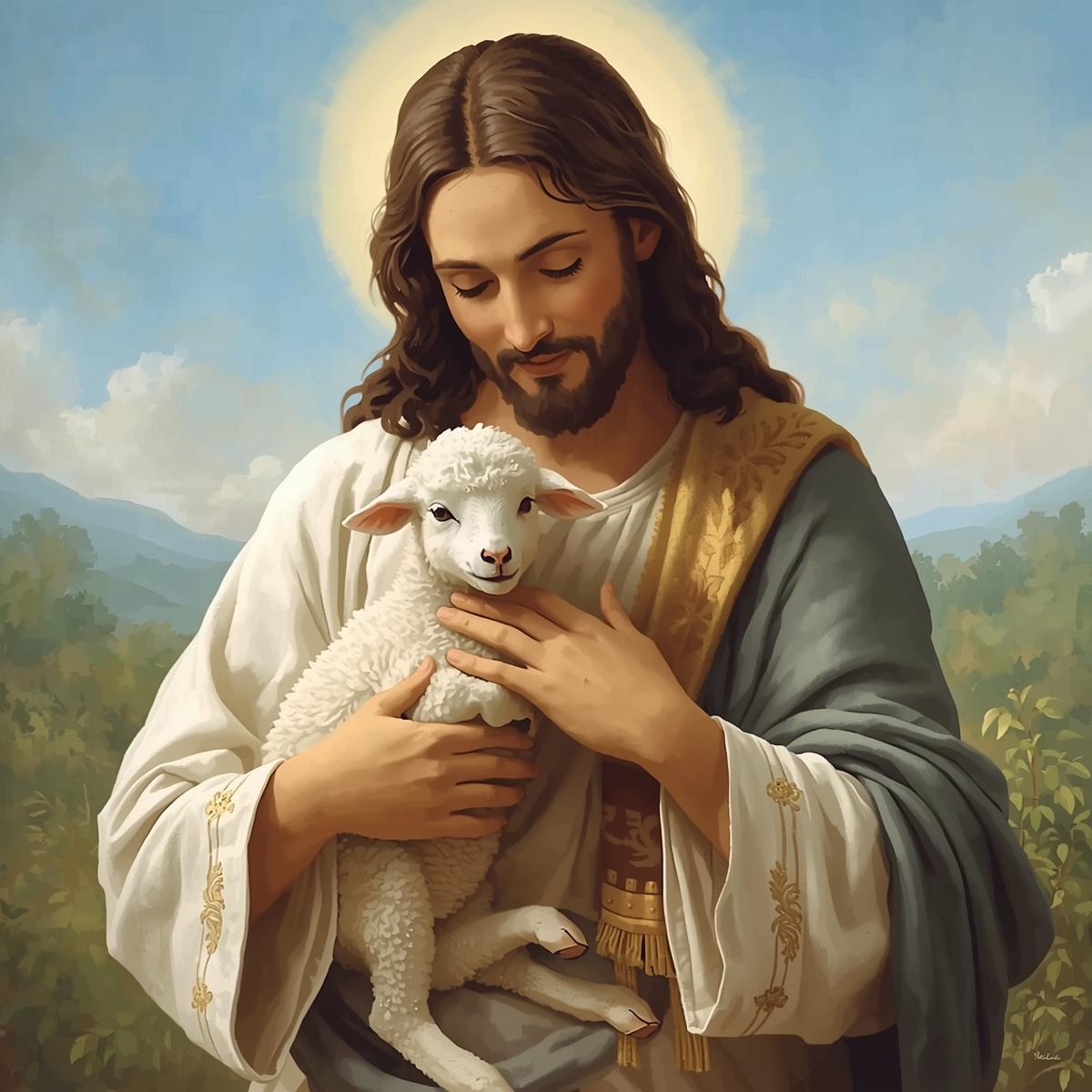
Answer: A prophet was a spokesperson or messenger for God, known as a "man of God" or "seer." Their primary job was not simply to predict the future (though they often did), but to deliver God's message, calling the people to repentance and reminding them of the covenant they shared with God. Explanation with Verses: Deuteronomy 18:18: God says, "I will raise up for them a prophet...

Answer: There are two main theological viewpoints based on different interpretations of Scripture: Eternal Security (Once Saved, Always Saved): A truly saved person, whom God has chosen, will be kept by God's power and cannot lose their salvation (e.g., John 10:28-29; Romans 8:38-39). Conditional Security: Salvation can be lost if a believer deliberately and permanently turns away from...