Keine Daten zum Anzeigen
Mehr lesen
The Bible affirms God's existence and describes Him as creator, all-powerful (omnipotent), all-knowing (omniscient), all-present (omnipresent), and perfectly loving and just.
A woman who had given birth to a son was ceremonially "unclean". This meant she was unable to enter the temple for worship for seven days or until the circumcision of the child. Then for 33 more days she was not allowed to come into the sanctuary. After 40 days she needed to come to the temple and be purified by offerings prescribed by Jewish law. And so, according to these commands, Mary and...

Answer: This is one of the deepest questions. The Bible suggests that suffering entered the world through the "Fall" (Adam and Eve's disobedience, Genesis 3), introducing sin and corruption into God's perfect creation. God allows humans to have genuine free will, which means they can choose good or evil, and their choices have real, painful consequences. Explanation: While God did not...
Most Protestant Bibles contain 66 books (39 in the Old Testament and 27 in the New Testament). Roman Catholic and Eastern Orthodox Bibles include additional books (known as the Apocrypha or Deuterocanonical Books).
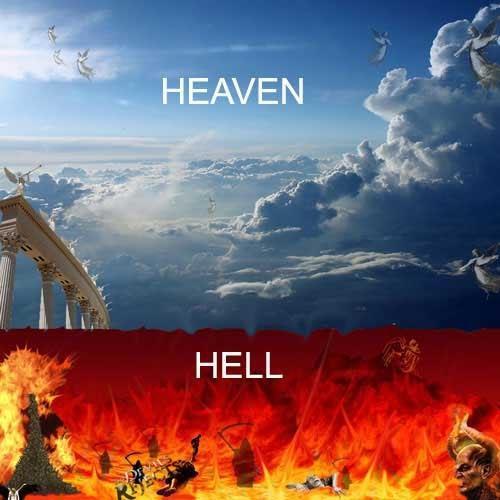
The Question: What is the nature of the afterlife destinations mentioned in the Bible? Key Verses & Explanation: John 14:2-3 (Heaven as a Place): "My Father's house has many rooms; if that were not so, would I have told you that I am going there to prepare a place for you? And if I go and prepare a place for you, I will come back and take you to be with me that you also may be where I...