No data to show
Leia Mais
Answer: The Bible is a collection of 66 books inspired by God ("God-breathed") (2 Timothy 3:16). Its primary purpose is to reveal God to humanity, to show the history of His interaction with the world, and to point people to Jesus Christ for salvation and a life lived in accordance with God's will. Explanation: It functions as a complete guide for faith and practice, useful for "teaching,...

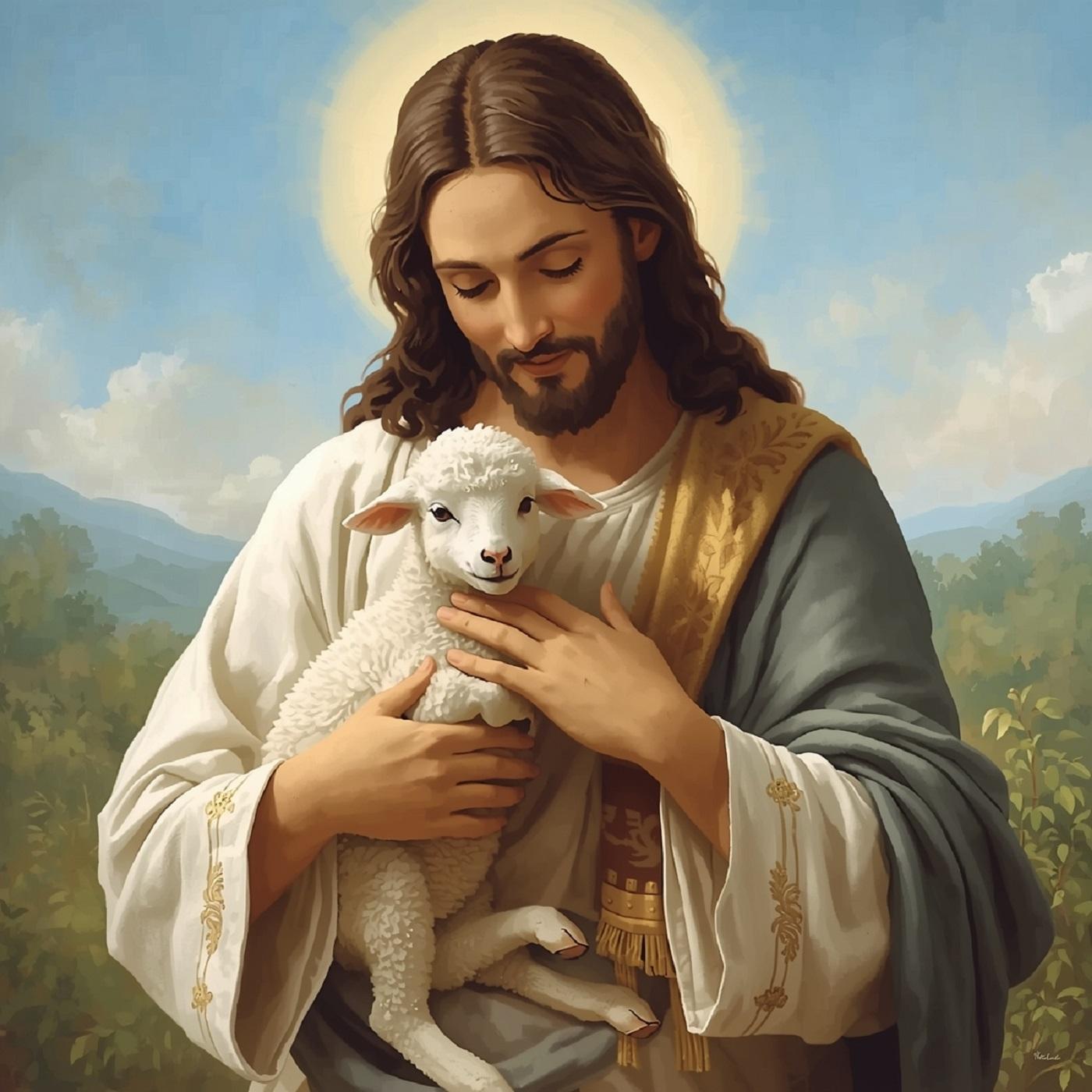
This is arguably the most central question in Christian theology. Answer: Yes, the Bible presents Jesus as fully God and fully man, a concept known as the Hypostatic Union. Biblical Explanation: Fully God: Jesus is called "God with us" (Emmanuel, Matthew 1:23) and the "Word" who "was God" and "became flesh" (John 1:1, 14). The disciple Thomas directly calls Him "My Lord and my...
Most theologians and scholars affirm that the Bible does not contain genuine contradictions, though it does contain paradoxes and differences in perspective or audience. Apparent conflicts are often resolved through careful study of the context, language, and historical background.

God is the eternal, all-powerful (omnipotent), all-knowing (omniscient), all-present (omnipresent), and perfectly good Creator of all things. He exists as one God in three Persons: the Father, the Son (Jesus Christ), and the Holy Spirit (The Trinity).

The Question: What is the nature of the "Mark of the Beast" described in the Book of Revelation, and does it refer to modern technology like microchips or vaccines? Key Verses & Explanation: Revelation 13:16-17 (The Nature of the Mark): "Also it causes all, both small and great, both rich and poor, both free and slave, to be given a mark on the right hand or the forehead, so that no one...