Нет данных для отображения
Больше
Answer: This is one of the deepest questions. The Bible suggests that suffering entered the world through the "Fall" (Adam and Eve's disobedience, Genesis 3), introducing sin and corruption into God's perfect creation. God allows humans to have genuine free will, which means they can choose good or evil, and their choices have real, painful consequences. Explanation: While God did not...
The word of God has the power to reveal to us certain things that we could not know in any other way. For example: How and when the world was created. The reason man is the way he is - sin. The true nature of God. What happens to us after we die. Human beings could study and speculate on these things for a thousand years and come up with many theories, but that's all they'd be, just theories...

66 books (39 in the Old Testament, 27 in the New Testament). Note: Catholic and Orthodox Bibles include additional books in the Old Testament, often called the Apocrypha or Deuterocanonical books, totaling 73 or more.
Answer: The Bible teaches that after death, individuals face judgment. The righteous (those who have faith in Christ) will spend eternity in Heaven or the New Heavens and New Earth in God's presence. The unrighteous will face eternal punishment in Hell, described as a place of separation from God. Explanation: Heaven is described as a place of joy, peace, and perfection where there is no...

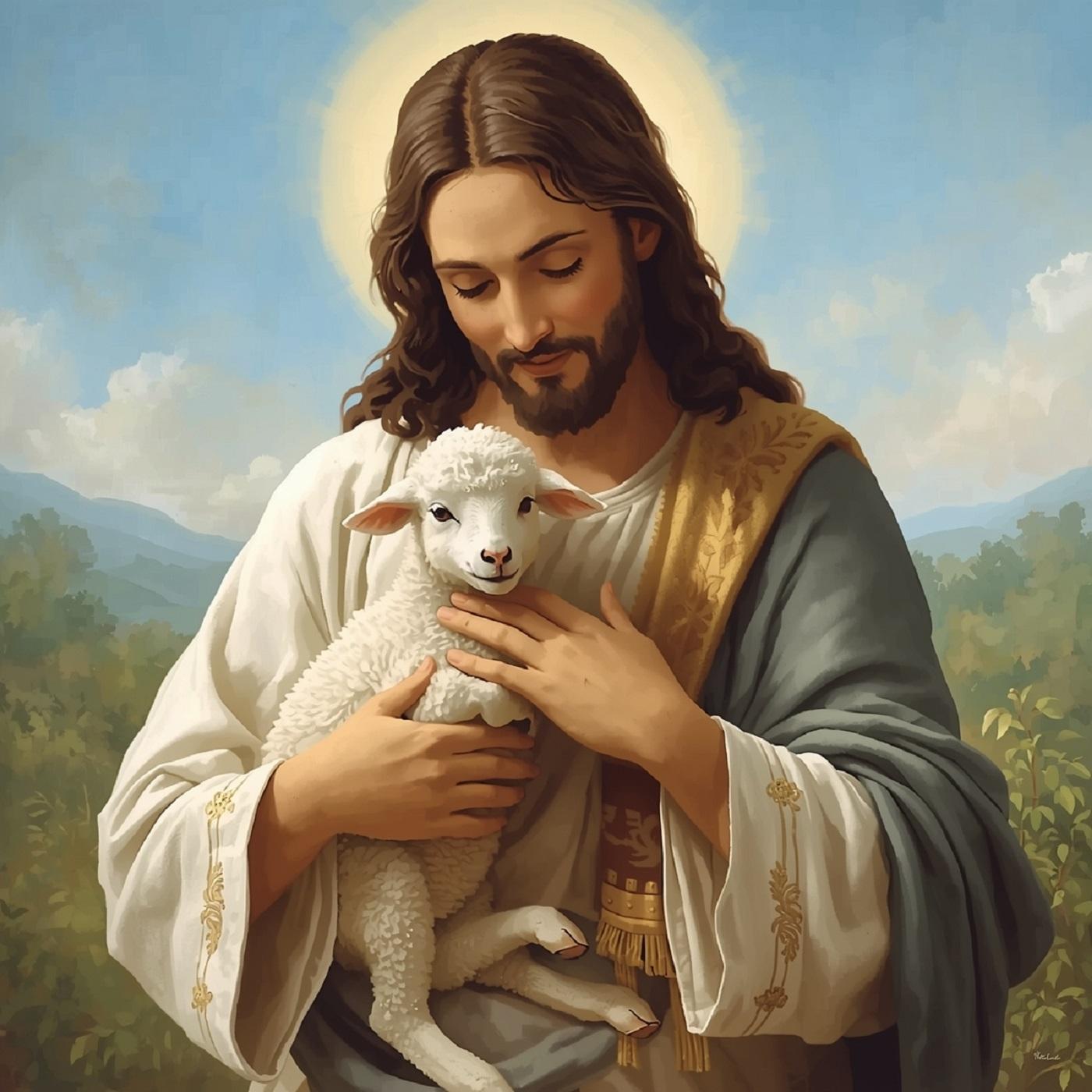
According to Christian theology (based on the New Testament), Jesus is the Son of God and God in the flesh (the Incarnation). This is a central belief of Christianity, often understood through the doctrine of the Trinity.