No data to show
Read More
Answer: There are two main theological viewpoints based on different interpretations of Scripture: Eternal Security (Once Saved, Always Saved): A truly saved person, whom God has chosen, will be kept by God's power and cannot lose their salvation (e.g., John 10:28-29; Romans 8:38-39). Conditional Security: Salvation can be lost if a believer deliberately and permanently turns away from...

The Bible affirms God's existence and describes Him as creator, all-powerful (omnipotent), all-knowing (omniscient), all-present (omnipresent), and perfectly loving and just.

Jesus' death on the cross is considered an atoning sacrifice. It satisfied God's justice for human sin, offering forgiveness and the way to eternal life to all who believe in Him (Romans 5:8, 2 Corinthians 5:21)
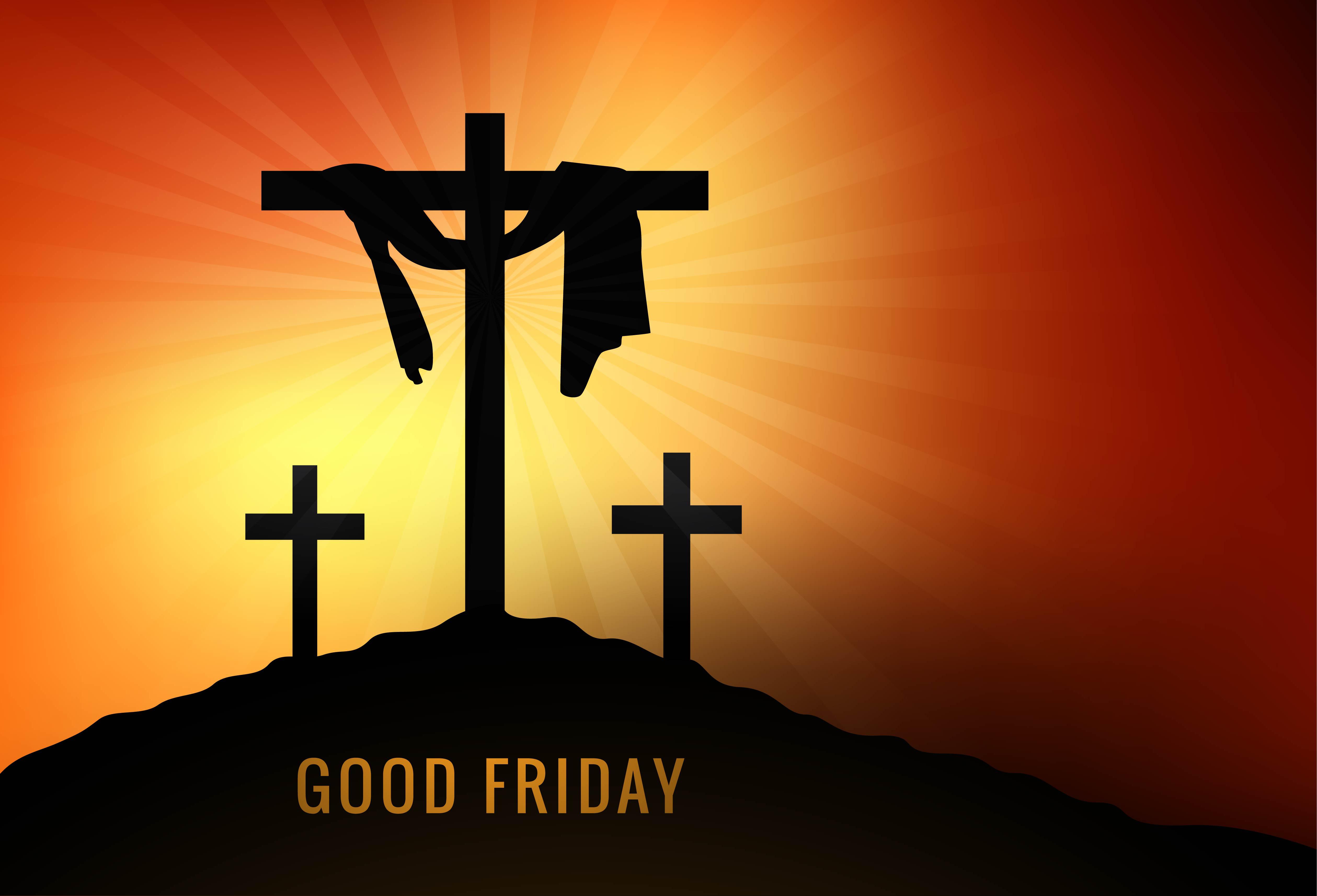
The Old Testament recounts the story of creation, the covenant with Israel, the Law, and prophecies about the coming Messiah. The New Testament centers on the life, ministry, death, and resurrection of Jesus Christ (the fulfillment of the Old Testament), the establishment of the Church, and instructions for Christian living.

Answer: This is one of the deepest questions. The Bible suggests that suffering entered the world through the "Fall" (Adam and Eve's disobedience, Genesis 3), introducing sin and corruption into God's perfect creation. God allows humans to have genuine free will, which means they can choose good or evil, and their choices have real, painful consequences. Explanation: While God did not...